
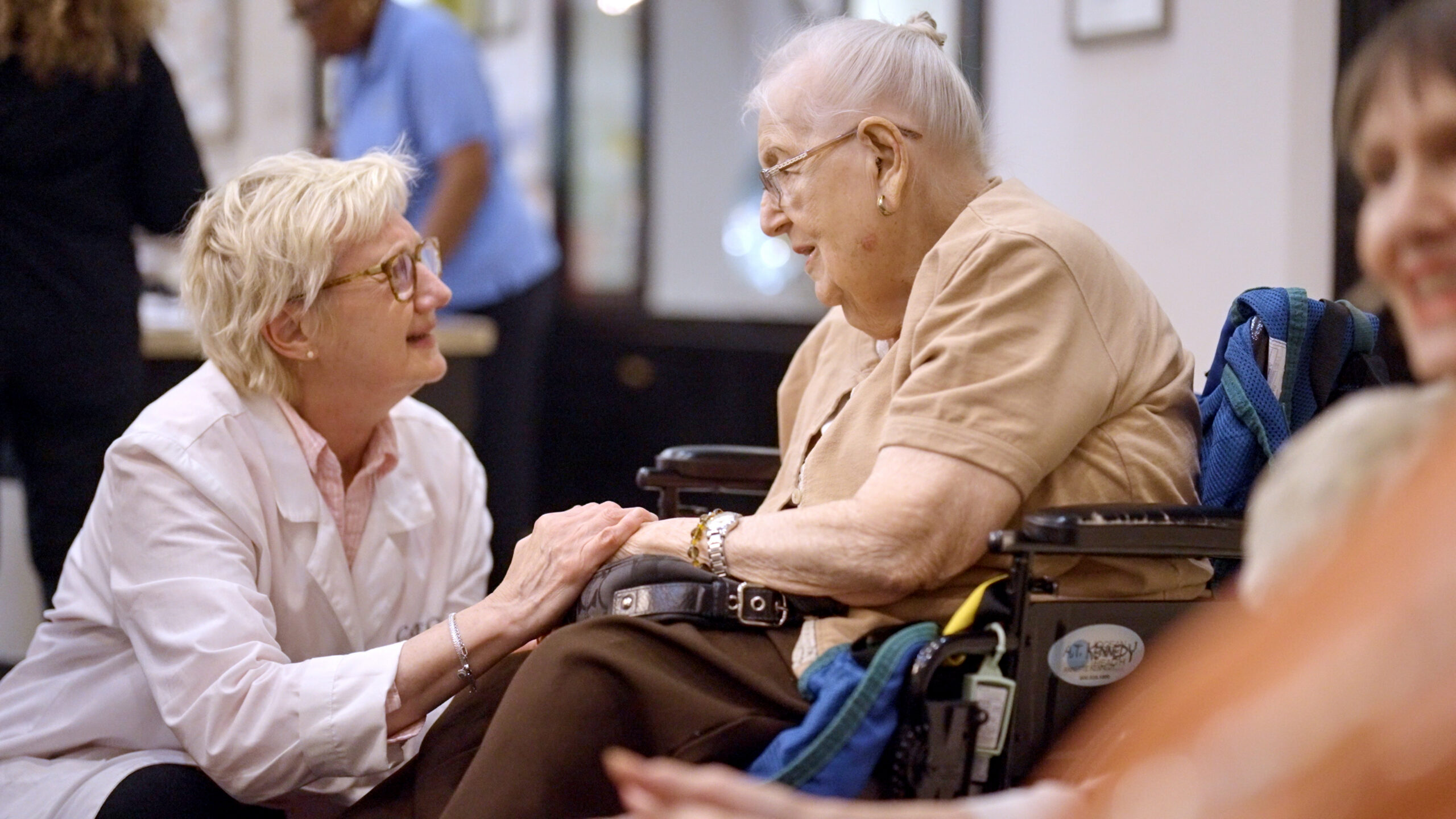
By Mary Beth Rose, Dementia Specialist at CareOne
There is something special about fall. The changing leaves, cooler temperatures, familiar autumn traditions, and anticipation of the holiday season bring a sense of comfort and nostalgia. But for individuals living with Alzheimer’s disease or other forms of dementia, the transition from summer to fall can present challenges that families may not immediately recognize.
As a dementia specialist at CareOne, I believe it’s important for families to understand that seasonal changes can influence more than just a person’s daily activities. Changes in daylight, temperature, and familiar routines can also affect sleep patterns, mood, and behavior.
While many of us adjust to the changing seasons without giving them much thought, individuals living with dementia may need additional support to navigate these transitions comfortably.
Quick Care Summary: Managing Fall Seasonal Changes in Dementia
- Sundowning Management: Increase ambient evening lighting to reduce shadows caused by early fall sunsets.
- Schedule Adjustments: Shift daily routines in subtle 10-15 minute increments to smooth the Daylight Saving Time transition.
- Sensory Engagement: Use nostalgic autumn smells (cinnamon, apple cider) and music to foster comfort and connection.
- Long-Term Support: When seasonal shifts increase caregiver strain, specialized assisted living and secure memory care neighborhoods offer structured daily support.
When the Days Get Shorter: Understanding Sundowning
One of the most significant seasonal changes we experience in the fall is the gradual reduction in daylight. For individuals living with dementia, this can be particularly challenging.
You may have heard the term sundowning, which describes increased confusion, anxiety, restlessness, or agitation that some individuals with dementia experience during the late afternoon and evening hours.
Although sundowning can occur at any time of year, shorter fall days and earlier sunsets may make these behaviors more noticeable.
Our bodies rely on an internal biological clock, known as the circadian rhythm, to help regulate sleep and wakefulness. Dementia can interfere with this natural process, making it more difficult for someone to distinguish between daytime and nighttime.
As darkness arrives earlier, families may notice their loved one becoming more restless, asking repetitive questions, pacing, or expressing a desire to “go home,” even when they are already in a familiar and comfortable environment.
It’s important to recognize that these behaviors are not intentional. They may be expressions of confusion, fatigue, discomfort, or an unmet need.
My advice to families is simple: Pay attention to patterns rather than focusing only on the behavior itself. Understanding when changes occur and what may be contributing to them can help us respond with greater compassion and effectiveness.
Daylight Saving Time: A Small Change That Can Have a Big Impact
When we turn our clocks back in November, gaining an extra hour of sleep may sound appealing. However, for someone living with dementia, even a one-hour adjustment can disrupt an established routine.
Imagine relying on familiar daily cues to understand when it’s time to wake up, eat dinner, or prepare for bed. Suddenly, the clock says one thing, but the amount of daylight suggests something entirely different.
For individuals experiencing cognitive changes, that disconnect can be confusing.
Some residents may begin feeling tired earlier in the evening, wake earlier in the morning, or become unsettled when their usual activities no longer seem to align with the daylight outside.
At CareOne, we understand the importance of consistency, especially during seasonal transitions. Maintaining familiar mealtimes, activities, and bedtime routines can help residents feel secure, even as the environment around them changes.
For families caring for a loved one at home, I often recommend making adjustments gradually when possible rather than introducing several changes at once.
How Cooler Weather Can Affect Mood and Behavior
As temperatures begin to drop, our daily habits naturally change. We spend less time outdoors, dress differently, and may become less physically active.
For individuals living with dementia, these seemingly small adjustments can have a greater impact.
Outdoor walks, fresh air, and exposure to natural sunlight offer important opportunities for physical activity, sensory stimulation, and social engagement. When colder weather limits these experiences, some individuals may become more withdrawn, restless, or less engaged in their surroundings.
Additionally, people living with dementia may have difficulty communicating physical discomfort. Someone who feels cold may not be able to clearly explain what is bothering them. Instead, they may become irritable, anxious, or resistant to an activity.
This is why it’s essential to look beyond the behavior and consider the person’s environment and physical needs.
Is the room comfortable? Are they dressed appropriately for the temperature? Have they had opportunities to move around, socialize, and enjoy natural light?
Sometimes, small environmental adjustments can make a meaningful difference in a person’s comfort and overall well-being.
The Comfort of Familiar Fall Traditions
While seasonal transitions can present challenges, fall also offers wonderful opportunities to connect with individuals living with dementia.
One of the most beautiful things about memory is that even when short-term recall becomes difficult, familiar experiences and emotions can remain meaningful.
The smell of cinnamon, the taste of apple cider, the sound of a favorite autumn song, or the sight of colorful leaves may evoke feelings of comfort and familiarity.
These sensory experiences can create opportunities for connection without requiring someone to remember specific details or events.
At CareOne, we recognize the value of meaningful engagement and familiar traditions. Seasonal activities can be adapted to each resident’s interests, abilities, and preferences.
Whether it’s decorating pumpkins, enjoying fall-inspired baking, creating autumn crafts, listening to familiar music, or simply sitting together and admiring the changing leaves, the goal is not necessarily to encourage someone to remember the past.
The goal is to help them experience joy, comfort, and connection in the present.
And sometimes, those simple moments become the most meaningful.
Five Ways Families Can Help Loved Ones Adjust to Fall
As the seasons change, there are several practical steps families and caregivers can take to help loved ones living with dementia feel more comfortable.
- Maintain a consistent daily routine.
Familiarity creates a sense of security. Keeping meals, activities, and bedtime schedules as consistent as possible can help reduce confusion and anxiety. - Make the most of natural daylight.
Encourage safe outdoor activities or time spent near a sunny window, particularly earlier in the day. Natural light can help support the body’s sleep-wake cycle. - Be mindful of evening lighting.
As the sun sets earlier, ensure living spaces remain comfortably illuminated. Shadows and poorly lit areas can sometimes contribute to confusion or misinterpretation of the environment. In the evening, transition to calm, comfortable lighting while maintaining adequate visibility. - Adjust activities to match energy levels.
Some individuals may become more tired or overwhelmed later in the day. Consider scheduling stimulating activities earlier and creating a quieter, more relaxing environment as evening approaches. - Watch for changes and communicate with caregivers.
If you notice increased confusion, changes in sleeping patterns, unusual agitation, or withdrawal, share those observations with the care team. Behavioral changes can have many causes, including pain, illness, medication effects, or other unmet needs. Sudden changes should always be evaluated promptly by a healthcare professional rather than assumed to be seasonal.
A Season of Understanding, Patience, and Connection
One of the most important things I remind families is that dementia care is never one-size-fits-all.
Two individuals living with the same diagnosis may experience seasonal transitions very differently. One person may find comfort in the slower pace of autumn, while another may become more anxious as daylight hours decrease.
What matters most is recognizing each individual’s needs and responding with patience, flexibility, and compassion.
At CareOne, our approach to memory care focuses on understanding the person behind the diagnosis. We recognize that behaviors are often a form of communication, and our responsibility is to listen, observe, and respond in ways that preserve dignity and promote comfort.
As we welcome the fall season, I encourage families to embrace the opportunities it brings for meaningful connection while remaining mindful of the changes their loved ones may be experiencing.
Because when it comes to dementia care, sometimes the smallest adjustments can make the biggest difference.
Mary Beth Rose
Dementia Specialist | CareOne
Explore CareOne Assisted Living & Memory Care
CareOne operates 17 premier assisted living communities across New Jersey and Massachusetts, offering tailored memory care programs, 24/7 specialized staff, and warm, engaging environments.
Need guidance for a loved one? Find a CareOne Facility Near You or Schedule a Personal Consultation
