
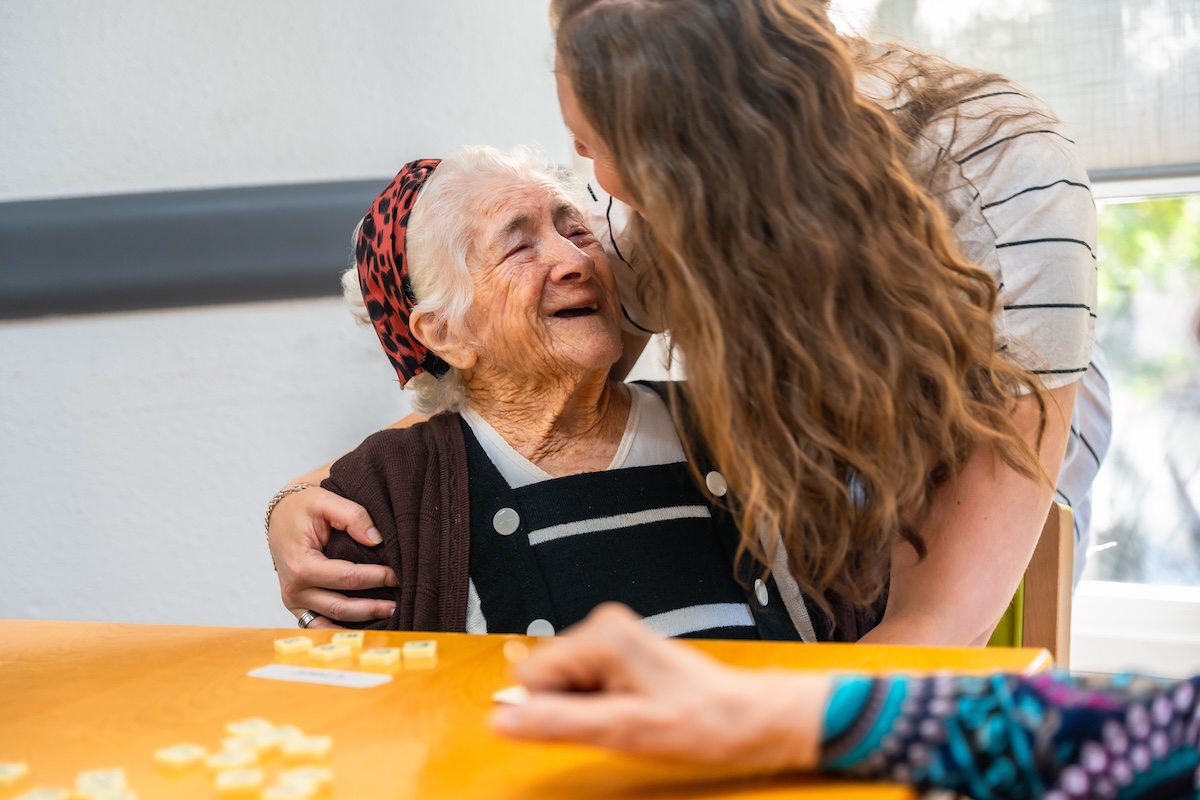
Choosing an assisted living community is a decision often rooted in physical care, such as medication management, mobility support, and safety. However, mental and emotional well-being is equally important. Older adults face unique mental health challenges, including loneliness, depression, anxiety, and grief. Recognizing and supporting mental health in assisted living is essential for building not just a safe environment, but a fulfilling one.
At CareOne, we believe a person’s mental and emotional health is just as important as their physical care. When families, caregivers, and communities work together, it creates the foundation for more meaningful, joyful living.
Why Mental Health Matters at Every Age
Mental health affects how we think, feel, and connect with others, and that doesn’t stop with age. In fact, nearly 20% of adults aged 55 and older experience some type of mental health concern, according to the National Council on Aging. Depression, in particular, often goes undiagnosed in older adults, especially those living in care settings.
When mental health isn’t supported, it can lead to withdrawal, changes in appetite or sleep, increased falls, and even worsening physical conditions. That’s why it’s essential for families to pay attention to more than just physical symptoms when visiting or checking in.
How Assisted Living Communities Can Support Mental Health
Many modern assisted living communities now offer programs and services that focus specifically on mental and emotional wellness. These may include:
- On-site counseling or therapy sessions
- Social programming to encourage interaction and engagement
- Mindfulness, meditation, or spiritual offerings
- Creative outlets like art, music, or journaling
- Fitness programs that also support mental clarity and mood
At CareOne, supporting mental health in assisted living begins with daily routines that are rooted in dignity, autonomy, and meaningful engagement. Our team is trained to recognize subtle changes in behavior and emotional well-being, ensuring that residents receive the support they need even when they can’t always express it themselves.
Not sure what support looks like? Ask your community about their approach to emotional wellness. Understanding how they identify concerns, create senior care options, and involve families is an important part of advocating for your loved one.
What Families Can Do to Support Emotional Wellness
Even in the best care environments, family plays an essential role in mental and emotional health. Here’s how you can stay connected and supportive:
- Check in regularly. Consistent contact, whether in-person or virtual, helps your loved one feel grounded and valued.
- Ask open-ended questions. Instead of “Are you okay?” try “What was the best part of your day?” or “Is anything feeling different lately?”
- Share meaningful items. Bring old photos, letters, or objects that spark conversation or memory.
- Encourage participation. Ask what activities they’ve tried recently and if they’d like to try something new.
- Listen without rushing. Creating space to process thoughts and feelings can be powerful.
Sometimes, your presence alone is what brings comfort. Even short visits or a thoughtful voicemail can make a lasting impact.
When to Raise Concerns
If you notice changes in mood, energy, appetite, or interest, it may be time to speak with the care team. Families often recognize early shifts that may not be immediately visible to staff.
Don’t be afraid to ask about:
- Behavioral health assessments
- Access to a licensed counselor
- Medication reviews for possible side effects
- Sleep quality and social participation
Supporting mental health in assisted living requires open communication, especially as a person’s needs evolve. You’re not overreacting by expressing concern. You’re advocating for someone you love.
A Partnership in Mental Wellness
Mental health is not a one-time consideration. It’s a continual process of nurturing, listening, and adapting. The more emotionally supported your family member feels, the more they can thrive in their new environment.
At CareOne, our assisted living communities prioritize mental wellness through holistic, person-centered care. From social opportunities to behavioral health support, we help residents feel safe, seen, and connected.
Key Takeaways
- Emotional well-being is essential to healthy aging and quality of life.
- Assisted living communities should offer mental health programs and emotional support services.
- Families can support loved ones through regular communication, shared experiences, and open conversations.
- Sudden behavioral or emotional changes should be shared promptly with the care team.
- CareOne communities are built on a foundation of holistic, person-centered care that includes mental health support.
Reach Out to Learn More
If you’re exploring assisted living or want to better understand how your family member’s mental health can be supported, CareOne is here to help. Our senior care options are built on the belief that emotional well-being is essential to overall health.
Contact us today to learn how our approach to care addresses the full spectrum of wellness, mind, body, and spirit.

